Why is Global Warming considered Harmful?
Global warming is considered harmful because it changes Earth's climate in ways that affect people, ecosystems, and economies. While some regions may see temporary benefits (such as longer growing seasons or milder winters), the overall impacts are expected to be negative as temperatures continue to rise.
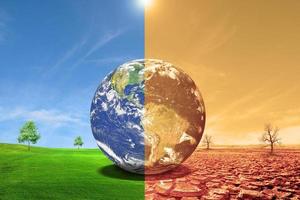
Here are some of the Main Reasons
-
More Extreme Weather
Warmer temperatures can contribute to more frequent and intense heat waves, heavier rainfall, droughts, and wildfire conditions. These events can damage homes, crops, and infrastructure.
-
Rising Sea Levels
As glaciers and ice sheets melt and ocean water expands as it warms, sea levels rise. This increases coastal flooding, erosion, and the risk to communities near the ocean.
-
Threats to Food and Water
Changes in rainfall patterns, higher temperatures, and more extreme weather can reduce crop yields in many areas and make freshwater supplies less reliable.
-
Health Impacts
Hotter temperatures can increase heat-related illnesses and deaths. Climate change can also worsen air quality in some places and expand the range of certain disease-carrying insects, such as mosquitoes.
-
Loss of Biodiversity
Many plants and animals are adapted to specific climates. As ]temperatures change, some species struggle to survive or move to new habitats, increasing the risk of extinction.
-
Economic Costs
Recovering from storms, floods, wildfires, and droughts can be expensive. Climate-related damage can also disrupt agriculture, transportation, tourism, and insurance systems.
-
Ocean Changes
Oceans absorb much of the excess heat and carbon dioxide from the atmosphere. This leads to warmer, more acidic oceans, which can harm coral reefs and marine life.
-
Habitat Loss
Polar animals lose their ice homes, and forests face massive wildfires. They also loose mates which makes artic animals reproduction less likely to happen which causes the artic animals to go exinct.
-
Acidic oceans
Acidic oceans: Seas absorb extra carbon, harming fish and coral reefs wih high acidity reduces carbonate ions, making it hard for oysters, clams, and corals to build and maintain their hard parts Changes in water chemistry affect the behavior, senses, and internal functions of various fish species.

Why does it happen?
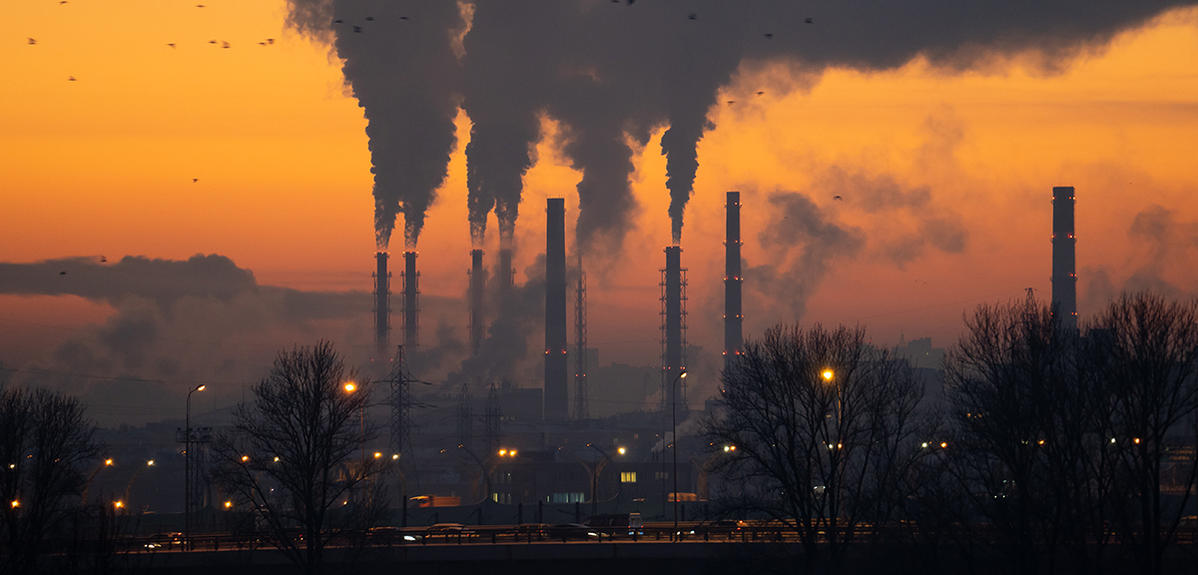
The main driver of recent global warming is the increase in greenhouse gases—especially carbon dioxide (CO₂), methane (CH₄), and nitrous oxide (N₂O)—released by human activities such as burning fossil fuels, deforestation, and some agricultural practices. Global warming is caused because gases like nitrous oxide build up in the air and they let sunlight in, but stop the heat from escaping back into space which causes the air to become polluted and unsafe to breathe in and also bad for the animals to breathe it in to.
Is all Global Warming Bad?
Not every effect is negative everywhere. For example, some colder regions may have longer growing seasons or reduced winter heating needs. However, scientific assessments conclude that beyond about 1.5–2°C of global warming above pre-industrial levels, the risks and damages increase substantially and tend to outweigh these localized benefits. In shorter terms not every asset of global warming is bad because some areas are benefited while others are not benefited but are harmed.
Conclusion
In short, global warming is considered bad because it raises the likelihood of widespread environmental, health, and economic problems that become more severe as the planet continues to warm.