How Artificial Intelligence Is Affecting Global Warming
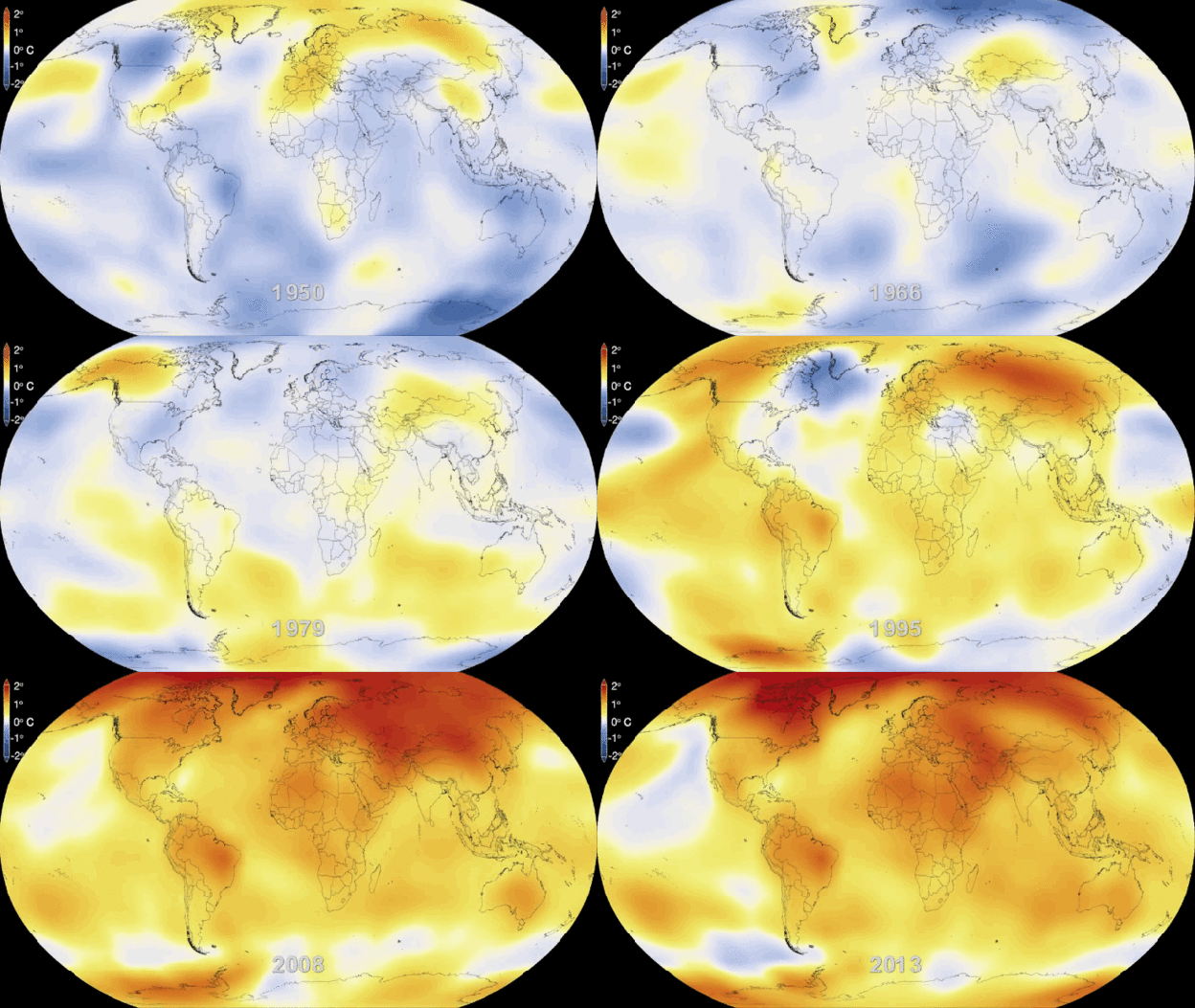
Artificial intelligence (AI) is becoming an important part of everyday life. It is used in smartphones, hospitals, businesses, and schools to solve problems and make tasks easier. While AI has many benefits, it also has an impact on the environment. The computers that power AI require large amounts of electricity, which can contribute to global warming if that energy comes from fossil fuels. At the same time, AI can also help reduce greenhouse gas emissions by improving energy efficiency and supporting environmental research🌲🐌🐝🌊.
Artificial intelligence can have negative effects on the Earth because it requires a large amount of electricity to operate. Powerful computers in data centers run AI systems around the clock, using energy to process information and answer questions. In many places, this electricity is still produced by burning fossil fuels, which release greenhouse gases into the atmosphere. These emissions contribute to climate change, which can lead to rising temperatures, stronger storms, and other environmental problems. Another way AI can affect the environment is through the resources needed to build and maintain the computers that power it. Manufacturing computer chips and data center equipment requires metals, minerals, and large amounts of water and energy. As the demand for AI continues to grow, more natural resources may be used, increasing pollution and electronic waste. Although AI can also help solve environmental problems, it is important to develop and use it responsibly so its benefits outweigh its impact on the planet.
One way AI contributes to global warming is through the energy needed to train and run advanced AI models. Data centers, which store and process massive amounts of information, consume significant amounts of electricity and require cooling systems to prevent computers from overheating. When this electricity is generated by coal, oil, or natural gas, it releases carbon dioxide and other greenhouse gases into the atmosphere. As AI technology becomes more popular, the demand for computing power continues to grow, increasing its environmental impact.Despite these challenges, AI can also play a major role in fighting climate change. Scientists use AI to predict weather patterns, monitor deforestation, and track greenhouse gas emissions. Businesses can use AI to reduce waste, improve transportation routes, and make factories more energy efficient. AI also helps electric power companies balance energy demand and increase the use of renewable energy sources such as wind and solar power. These applications can lower emissions and reduce the effects of global warming🌎🔥.
Impact of AI on Global Warming video.