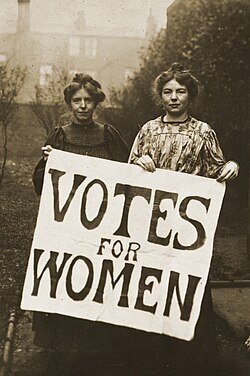
During the 19th and early 20th centuries people began to agitate for the right of women to vote. In 1893 Aotearoa New Zealand became the first country to give women the right to vote on a national level. This movement grew to spread all around the world, and thanks to the efforts of everyone involved in this struggle, today women’s suffrage is a right under the Convention on the Elimination of All Forms of Discrimination Against Women (1979).
However, despite these developments there are still many places around the world where it is very difficult for women to exercise this right. Take Syria for example, where women have been effectively cut off from political engagement, including the ongoing peace process.
In Pakistan, although voting is a constitutional right, in some areas women have been effectively prohibited from voting due to powerful figures in their communities using patriarchal local customs to bar them from going to the polls.
In Afghanistan, authorities recently decided to introduce mandatory photo screening at polling stations, making voting problematic for women in conservative areas, where most women cover their faces in public.
Amnesty International campaigns for all women to be able to effectively participate in the political process.
Freedom of Movement
Freedom of movement is the right to move around freely as we please – not just within the country we live in, but also to visit others. But many women face real challenges when it comes to this. They may not be allowed to have their own passports, or they might have to seek permission from a male guardian in order to travel.
For example, recently in Saudi Arabia there has been a successful campaign to allow women to drive, which had previously been banned for many decades. But despite this landmark gain, the authorities continue to persecute and detain many women’s rights activists, simply for peacefully advocating for their rights.
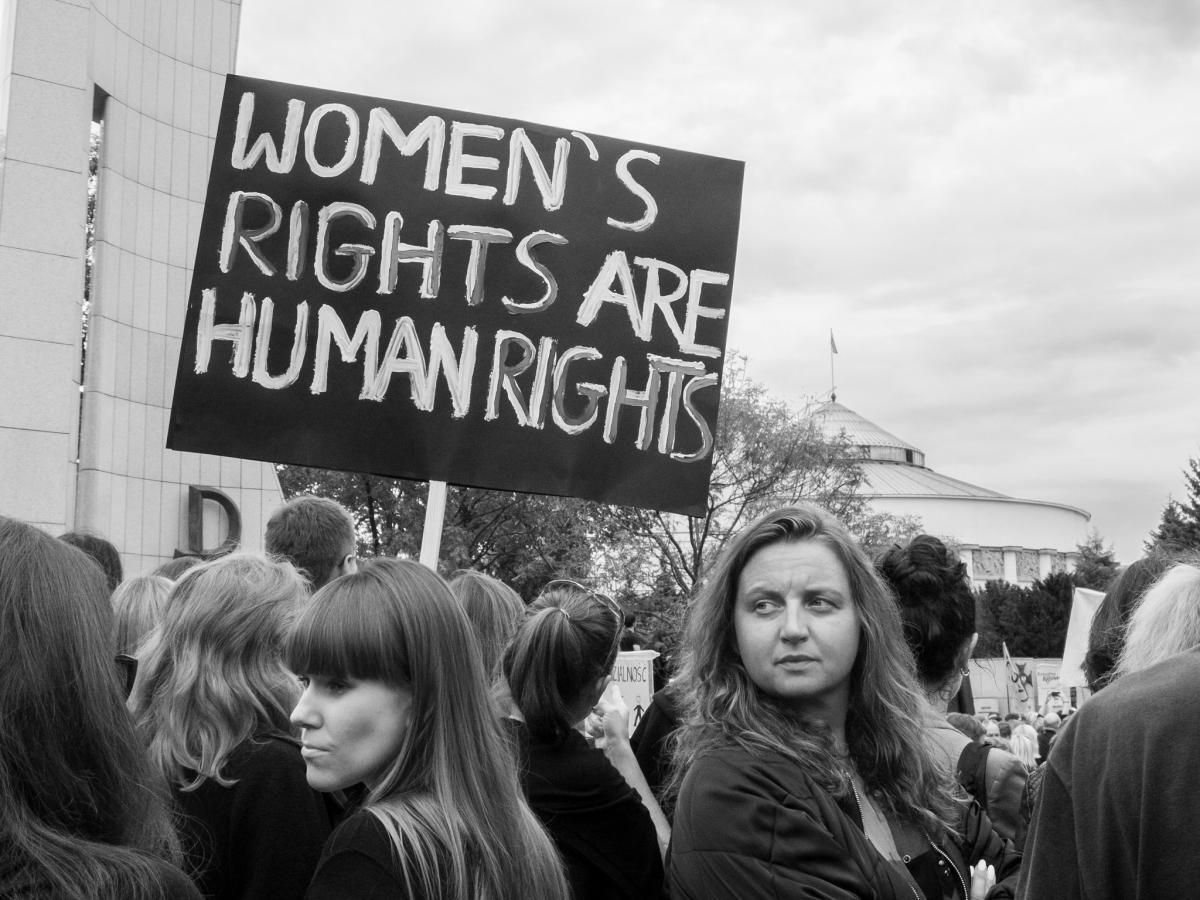
Women’s rights are human rights!
We are all entitled to human rights. These include the right to live free from violence and discrimination; to enjoy the highest attainable standard of physical and mental health; to be educated; to own property; to vote; and to earn an equal wage.
Through research, advocacy and campaigning, Amnesty International pressures the people in power to respect women’s rights.
On this page we look at the history of women’s rights, what women’s rights actually are, and what Amnesty is doing.