.jpg)
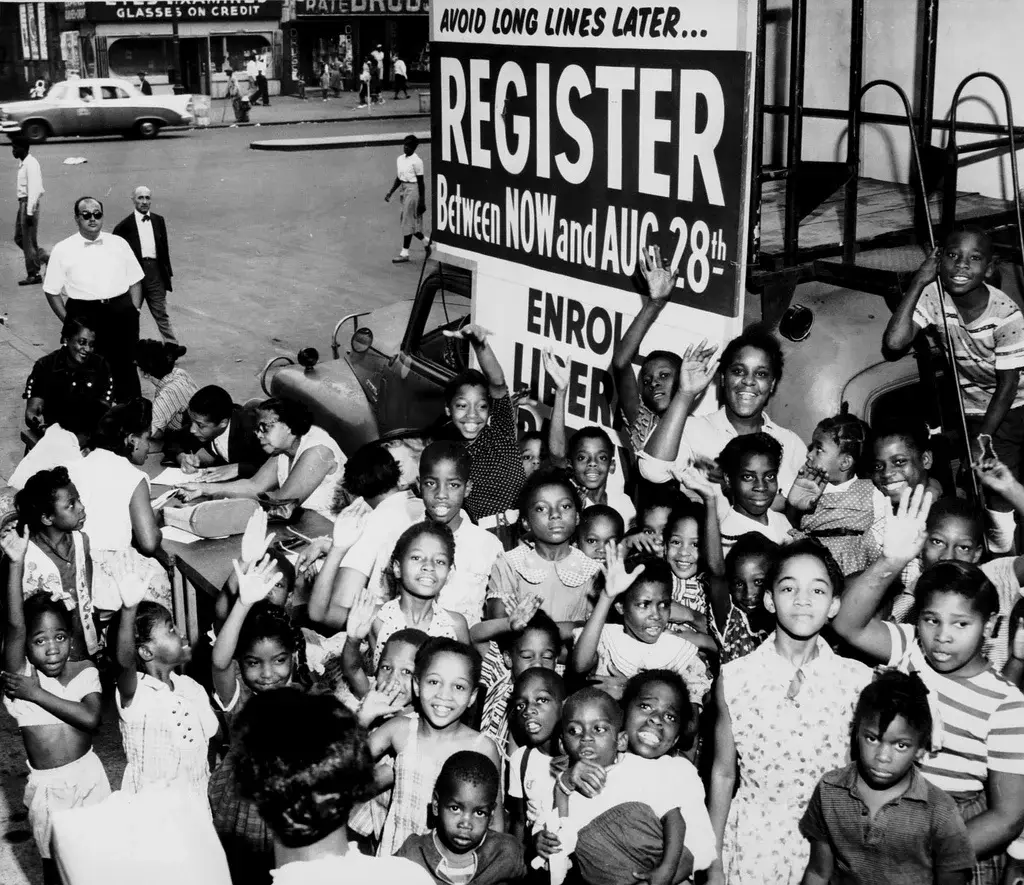
The community, groups were separated. That means Colored People had limited types of jobs or areas to visit, while white people could visit anywhere they could be
- Slavery and Post-War Farming: After slavery ended, laws and lack of money forced many Black Americans to stay on farms as low-paid workers or sharecroppers.
- Jim Crow Laws: Legal segregation in the South kept non-white workers out of better professions and restricted them mostly to domestic, agricultural, or basic service work.
- Union and Employer Bias: Many labor unions and bosses refused to hire or train workers of color for skilled jobs, and sometimes used them only as cheap labor or strike breakers.
- Exclusion from Laws: Early government programs and labor laws left out agricultural and domestic jobs, which were mostly held by workers of color, denying them basic wage protections.
Within the Black People. They had limited amount of jobs, where to use the bathroom, and minimal wages so some were poor
- Property Status: Enslaved Africans were legally classified as property rather than human beings, meaning they could not own property, marry legally, or testify in court.
- The Dred Scott Decision: The U.S. Supreme Court ruled in 1857 that Black people, enslaved or free, were not U.S. citizens and had no rights that white people were bound to respect.
- Voting Restrictions: State governments bypassed constitutional amendments by instituting poll taxes, literacy tests, and violent intimidation to strip Black citizens of the right to vote.
- Jim Crow laws enforced complete racial separation in schools, transportation, and public spaces, backed by the Supreme Court ruling Plessy v. Ferguson.
- Labor Force: Following the Civil War, Southern states passed restrictive laws called Black Codes to force newly freed Black Americans back into cheap agricultural labor.
- Vagrancy Laws: Laws criminalized unemployment, allowing authorities to arrest Black individuals and lease their labor out to private entities.
.jpg)
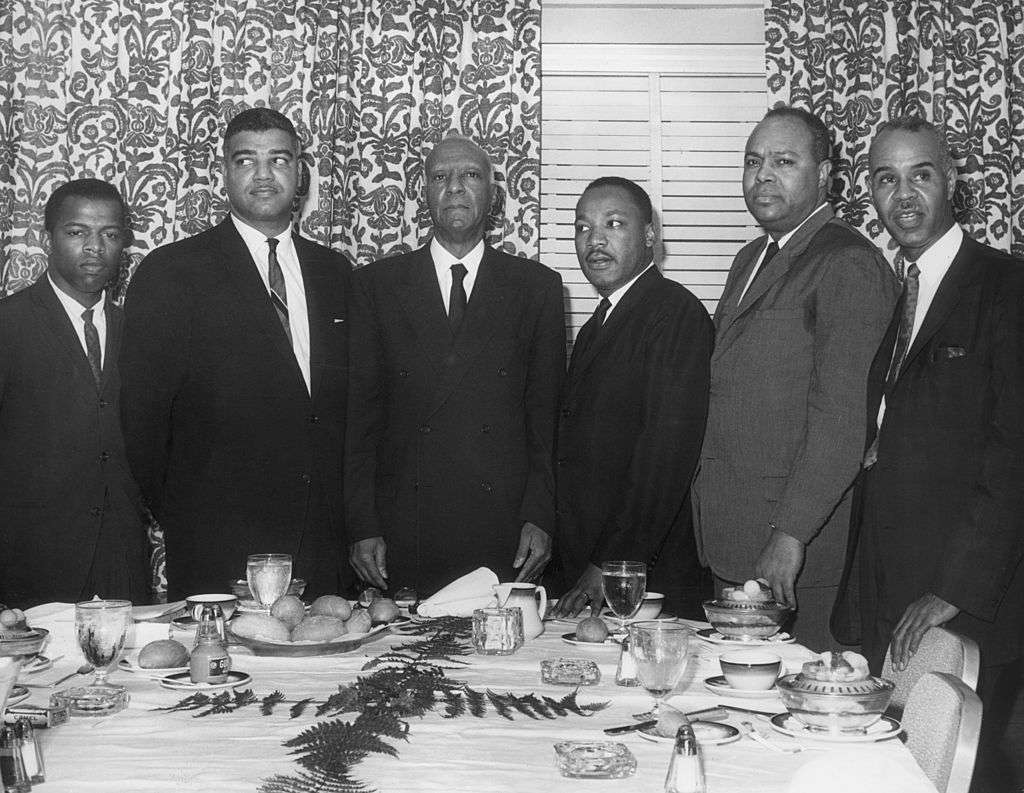
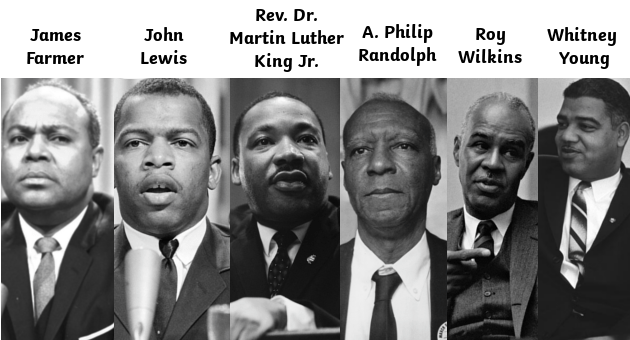
Many black people were being treated unfairly or harassed by white people both physicaly and mentaly
- Enslavement and Labor: Forced into backbreaking agricultural and domestic labor under constant threat of extreme physical violence, whippings, and torture.
- Medical Experimentation: Subjected to non-consensual medical procedures without anesthesia based on the false belief that Black people possessed a higher tolerance for pain.
- Family Separation: Regularly subjected to the violent fracturing of families through the domestic slave trade, where loved ones were sold away from one another.
- Invented Diagnoses: White physicians invented fake mental illnesses like drapetomania (the "disease" causing slaves to run away) and dysesthesia aethiopica to pathologize resistance and freedom-seeking.
- Dehumanization: Taught that they had primitive nervous systems or primitive psychological organizations, which was used as a justification to deny basic human rights and emotional empathy.
- Suppression of Identity: Forced to mask their emotions, hide distress, and constantly display submission to survive the strict racial hierarchy.
When they work, they get unfair wages making many of them poor and homeless having mostly nothing to eat
- Unpaid work: Enslaved people performed generations of backbreaking labor—such as clearing land and harvesting cotton—without receiving any financial wages.
- Master compensation: As noted in historical records, “the federal government compensated the owners of enslaved people for their loss of property... but the people who suffered torture and other human rights abuses... were not compensated.”, according to the Zinn Education Project.
- Rare exceptions: A tiny fraction of enslaved people managed to engage in "self-hire" arrangements where they kept a small amount of money after paying a mandatory fee to their enslaver, but this was uncommon and tightly controlled
- Denied land grants: Promises of land redistribution, famously summarized as "40 acres and a mule," were largely reversed by President Andrew Johnson, leaving freed families without independent wealth or capital.
- Sharecropping traps: Many freedmen had to farm land owned by their former enslavers, receiving a small share of the crops that was immediately eaten up by high-interest credit for seeds, tools, and food—a cycle known as debt peonage.
- Low-wage segregation: Those who worked outside of farming were restricted by Jim Crow laws and social custom to low-paying domestic service, railroad, or mill jobs with no legal protection for fair wages.
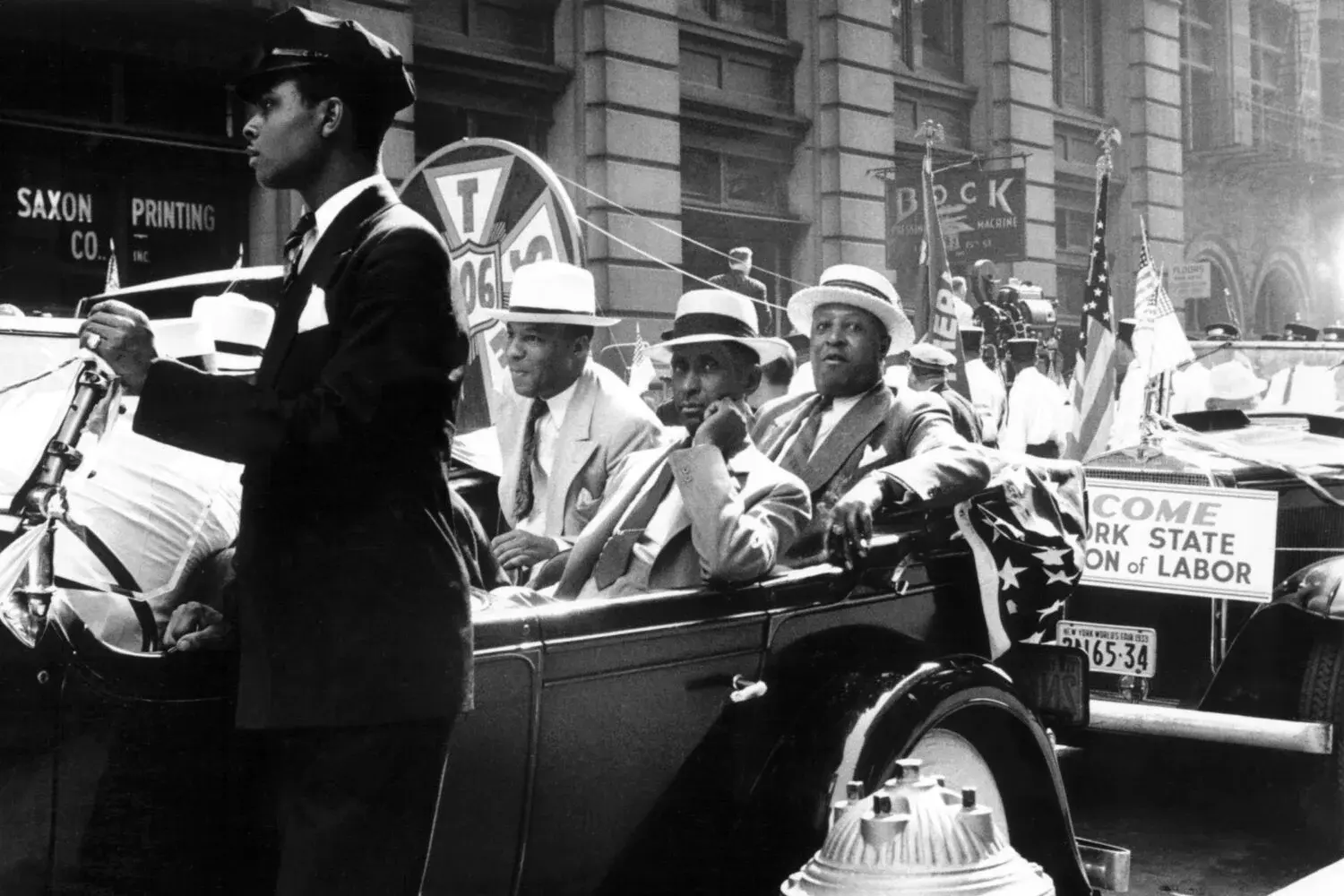
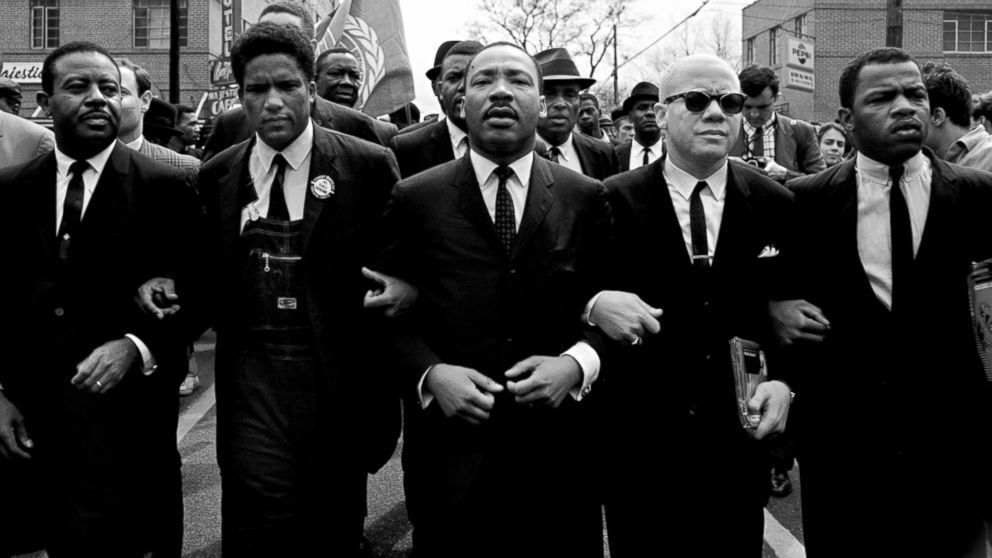
Colored people once they were free, homeless was dangerous for them
- Plantation shacks: After the Civil War, many freed people remained in their former slave quarters because sharecropping contracts required them to live on the landlord's property.
- Eviction and debt: If a sharecropper tried to leave or could not pay their debts, landlords legally evicted them, confiscating their personal belongings and leaving them entirely destitute.
- Urban slums: Black workers migrating to cities for low-wage factory or domestic jobs were forced by discriminatory zoning into crowded, unsanitary tenements and shantytowns.
- Vagrancy laws: Literal homelessness was highly dangerous; Southern states passed "vagrancy laws" that made being unemployed or unhoused a crime, leading to arrest and forced labor via convict leasing.
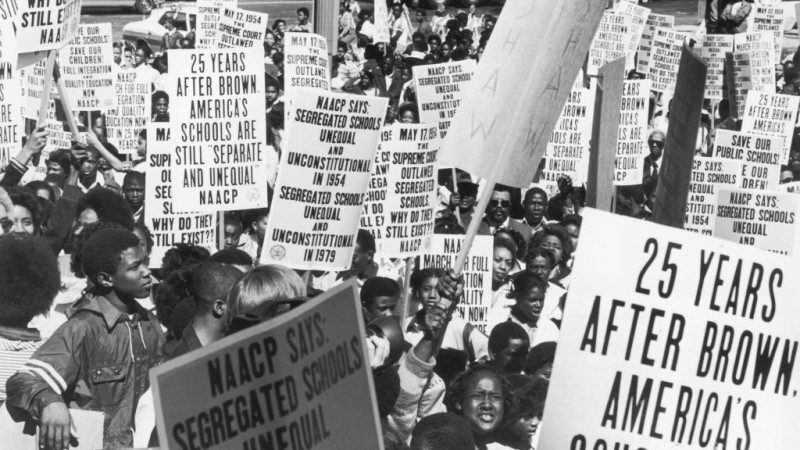
Kids who tried to go at school had to be at thier own seprate schools and the conditions there was harsh
- Poor facilities: Classes were often held in old church buildings, worn-down shacks, or spaces lacking proper heat and electricity.
- Old supplies: Students received old, discarded textbooks and materials left over from white schools.
- Short Terms: School years for Black children were often shortened so kids could work in the fields picking crops.
Colored teachers were paid less the most, even if they had both college degrees and teaching credentials
- Lower Pay Scales: Official county and state policies maintained different pay rates explicitly based on race. In the 1930s, Black teachers averaged roughly 60% of white teachers' monthly pay.
- Shorter School Terms: White school districts often kept schools open two months longer per year than Black schools, further reducing the annual earnings of Black teachers.
- Underfunded Budgets: Tax revenues and state equalization funds were disproportionately funneled to white schools, leaving Black teachers with overcrowded classrooms, few resources, and meager wages.
- Extreme Disparities: In some districts, Black teachers with college degrees and teaching credentials were paid less than white school janitors.